


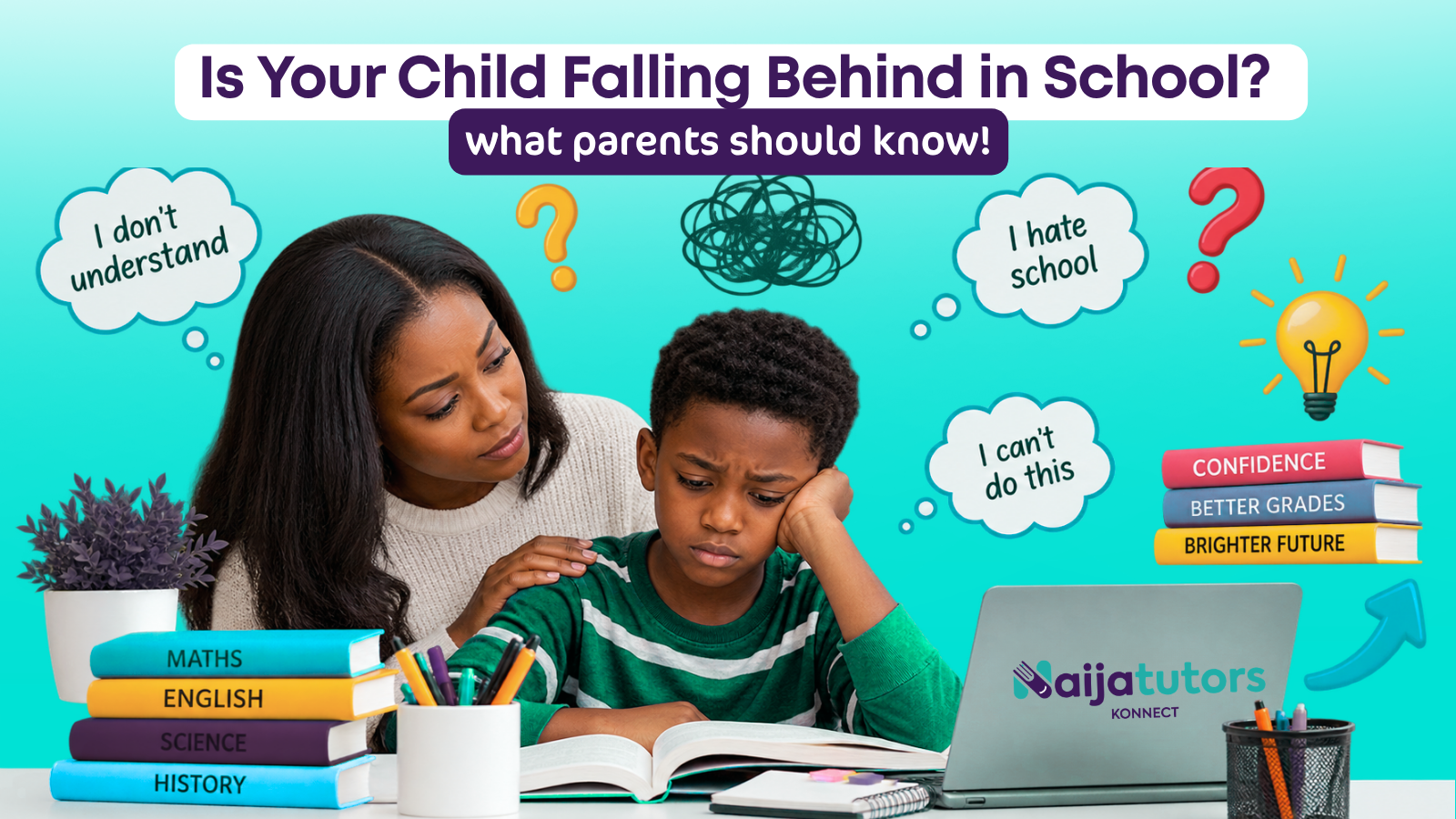

When your child says, “I don’t want to go to school,” it is easy to hear defiance. But when those words start appearing regularly, especially from a child who previously went to school without much resistance, there may be more happening underneath the behaviour.
A new 2026 Barnardos survey reported by The Irish Times has put school refusal and school anxiety back into the spotlight. More than half of the primary-school parents surveyed and around two-thirds of secondary-school parents said their children had refused to attend school at least once during the previous year. The research involved 704 parents in Ireland, so the figures should not be treated as a global estimate, but what parents said about why their children were avoiding school deserves attention.
Anxiety was one of the biggest reasons. Friendship difficulties, bullying, trouble engaging with lessons, classwork and school routines also appeared in the findings. Barnardos reported that 21% of primary-school parents and 33% of secondary-school parents said their child refused or avoided school at least once a month.
For parents, the important question therefore isn’t simply, “How do I make my child go to school?”
It is: “What has changed that is making school difficult for my child?”
What Is School Refusal?
School refusal, sometimes called school avoidance or school anxiety, describes a pattern in which a child finds it difficult to attend or remain in school because of significant worry, fear or emotional distress. It is different from the occasional Monday-morning complaint or a child simply trying to skip a lesson.
A child experiencing school refusal may genuinely want to cope with school but feel overwhelmed by something connected to it. That “something” will not be identical for every child.
One child may fear separation from a parent. Another may be struggling socially. Another may dread being bullied. Another may have fallen behind academically and now spends every lesson trying not to be exposed as the child who “doesn’t understand.”
That distinction matters because you cannot solve school refusal effectively if you are solving the wrong problem.
Why Is My Child Refusing to Go to School?
The Barnardos findings give parents a useful starting point. Among the parents surveyed, anxiety was the most commonly reported reason for school refusal. Friendship worries affected 30% of primary pupils and 31% of secondary pupils, while parents also identified classwork difficulties, bullying and problems with routines.
So when a child repeatedly says, “I hate school,” the words themselves may not tell you enough.
“I hate school” could mean “I’m scared of what happens there.” It could mean “My friends aren’t talking to me anymore.” It could mean “Everyone seems to understand the work except me.” It could mean “I’m afraid the teacher will ask me a question.” Or it could mean “I don’t know how to explain what I’m feeling.”
This is why immediately labelling a child as lazy, stubborn or unserious can make it harder to discover what is actually happening.
Signs of School Anxiety Parents May Miss
School refusal does not always begin with a dramatic refusal at the front door. Sometimes the first signs are much quieter.
A child may suddenly start complaining about school every evening. Homework that once took 30 minutes begins taking two hours. Sunday nights become unusually emotional. Your child may repeatedly complain of headaches or stomach aches before school, become tearful while getting dressed, ask to come home early or begin avoiding conversations about particular lessons.
Clinical guidance also notes that school anxiety can appear as crying, clinginess, anger, physical complaints, trying to leave school or repeatedly asking to stay home.
The key word here is pattern.
One difficult morning is different from a child whose relationship with school appears to have changed.
Ask yourself: When did this start? What happened around that time? Does it happen before a particular subject, day or activity? Has anything changed academically or socially?
Those questions can reveal far more than simply asking, “Why won’t you go to school?”
Has Your Child Started Struggling After Moving Abroad?
For diaspora families, there is another possibility worth considering: educational transition.
Moving to the UK, Canada, the United States, Australia, Europe or another country can create opportunities for a child, but changing countries can also mean changing schools, teaching styles, terminology, expectations, assessment methods and curricula at the same time.
A child who performed confidently before moving may suddenly feel less certain.
Consider Maths. The child may understand the underlying calculation but encounter questions phrased differently from what they are used to. In English, the expected writing structure may change. Topics may be introduced in a different sequence, meaning the new class has already covered something the child has never learned.
This does not automatically mean the child is “behind.”
Sometimes there is simply a curriculum gap between what the previous school taught and what the new school expects the learner to know.
For parents, the visible result can look very different: falling grades, longer homework sessions, refusing to participate in class, saying “I’m not good at Maths anymore,” or eventually saying, “I don’t want to go to school.”
Naijatutors Konnect supports children studying British, Canadian, American, Australian and Nigerian curricula, and its learning model emphasises understanding the learner’s current level and goals before recommending support.
Sometimes the Subject Your Child Complains About Is Not the Real Problem
One of the biggest mistakes parents can make is jumping directly from “my child is struggling with Maths” to “I need a Maths tutor.”
Suppose your child can calculate confidently but consistently gets word problems wrong. The difficulty might not begin with Maths at all. The child may be struggling with reading comprehension and therefore misunderstand what the question is asking.
The same thing can happen with English. Saying “my child is weak in English” tells you very little. Is the problem reading comprehension? Vocabulary? Grammar? Writing structure? Spelling? Speaking confidence? Exam technique?
Naijatutors Konnect’s diagnostic approach is built around this distinction. Its own parent journey guidance emphasises narrowing a broad concern into the specific area where the learner needs support before recommending a pathway.
That is important because giving a child more lessons in the wrong area can increase frustration instead of reducing it.
What Should You Do When Your Child Doesn’t Want to Go to School?
Start with investigation rather than accusation.
Instead of “Why are you behaving like this?”, ask “What part of school feels hardest at the moment?”
Instead of “You used to love school,”, try “When did school start feeling different?”
And instead of assuming academics are the problem, ask questions that leave room for different answers: “Is something happening with the work, your classmates, your teachers or something else?”
Your goal is not to conduct an interrogation. It is to give your child enough space to tell you what they may not yet know how to explain.
Current guidance on school refusal similarly recommends identifying the triggers and causes rather than treating avoidance as simple misbehaviour.
When School Refusal Is Not an Academic Problem
This distinction is critical: not every child refusing school needs a tutor.
If bullying, persistent anxiety, panic, emotional distress or another wellbeing concern appears to be driving the school avoidance, parents should involve the school and seek appropriate professional support where necessary. School refusal itself is not a diagnosis, and several different underlying difficulties can contribute to it.
Academic support should solve an academic problem. It should not be positioned as a replacement for emotional, medical or mental-health support when those are what a child actually requires.
That is also why listening first matters.
What If Your Child’s Confidence or Schoolwork Is Part of the Problem?
There are situations where academic difficulties clearly appear alongside the change in behaviour. Perhaps grades have fallen. Your child suddenly avoids reading. Homework is becoming increasingly difficult. They have started a new curriculum. They understand lessons at home but struggle with classroom questions. Or they repeatedly describe themselves as “stupid” despite previously being confident.
In those situations, the next step should not necessarily be more lessons.
It should be finding out where the difficulty begins.
A diagnostic assessment can help establish the learner’s current level, identify strengths and learning gaps, and provide a clearer starting point for deciding what support would actually help. Naijatutors Konnect uses assessment before recommending learning pathways precisely because the problem a parent initially sees is not always the underlying learning problem.
For families who have recently moved abroad, this can also help distinguish between a child who fundamentally does not understand a subject and a child who simply needs support adapting to a different curriculum or closing specific gaps created during the transition.
Don’t Dismiss “I Don’t Want to Go to School”
The most useful takeaway from the latest school-refusal research is not that every reluctant child has anxiety or that every school problem can be fixed academically.
It is much simpler:
Behaviour gives parents information.
If your child suddenly starts fighting school every morning, something may have changed. It might involve anxiety. It might involve friends. It might involve bullying. It might involve schoolwork. It might involve adapting to a new country or curriculum. And sometimes several of those issues overlap.
Before deciding what your child needs, find out what your child is actually struggling with.
If academics, learning gaps, curriculum adjustment or lost classroom confidence appear to be part of the problem, Naijatutors Konnect offers a free diagnostic assessment to help parents understand their child’s current level before choosing the next step.
Find the problem first. Then build the right support around the child.
Frequently Asked Questions About School Refusal
Why does my child suddenly not want to go to school? A sudden change can have many causes, including anxiety, friendship difficulties, bullying, academic challenges, changes in routine or major school transitions. Look for what changed around the time the behaviour began rather than immediately assuming the child is being difficult.
Can struggling with schoolwork cause school refusal? Academic difficulty can be one contributor, particularly when the child feels embarrassed, overwhelmed or unable to keep up. But school refusal has many possible causes, so parents should not assume academics are responsible without investigating the wider situation.
Can moving to a new country affect my child’s school confidence? A move may involve a new school, curriculum, teaching style, terminology and expectations. Some children adapt quickly while others may need time or targeted academic support to bridge specific curriculum differences.
Should I get a tutor if my child refuses school? Not automatically. First identify what is driving the behaviour. If the problem involves academic gaps, curriculum adjustment or confidence with schoolwork, academic support may help. If anxiety, bullying or significant emotional distress is involved, work with the school and appropriate professionals as well.
What is the difference between school refusal and simply not wanting to attend school? School refusal or school avoidance generally involves repeated difficulty attending or remaining at school associated with anxiety or emotional distress, rather than an occasional complaint about going to school.
Source note: The statistics discussed in this article come from the Barnardos Ireland Back to School Survey 2026, as reported by The Irish Times on September 2, 2026. The survey received 704 online responses from parents — 455 relating to primary-school pupils and 249 to secondary-school students and should be interpreted within that survey population rather than as a worldwide prevalence figure.
Book a FREE ASSESSMENT
